You've Got a Friend in Me

Making memories with friends is what truly matters. People come and go in our lives, and mine is no different. Sometimes I'm happy to see them leave; other times, it makes me sad. But I've learned that the memories we make are what count the most—the moments and good times we share. I've realized how lucky I am to have friends of all kinds. Just like my disability, I welcome people of all ages and backgrounds.

The internet says there are 4 types of friendship: acquaintances, casual friends, close friends, and best friends. I prefer the Must, Rust, Trust, and Just Friends.
Must Friends: Your go-to friend.
Trust Friends: Your secret keeper. and an advice giver.
Rust Friends: Long-term friends that have drifted away.
Just Friends: Someone you know but don't normally hang out with.
We all have friends who make time for us when we need them, the must/trust friend. Even if we haven't spoken in months or years, they pick up right where we left off. They answer the panic call or the repeated call to talk. What I have learned is that as we age, our understanding of friendship changes. When we're young, we want everyone to be our friend. Everyone is our best friend, our must friend. We compete to be better friends—buy the best gifts, be the first to be told secrets, or be the one everyone turns to. When people hang out with us, or we invite them over, it's because we want to be friends. But as we get older, we realize our idea of a friend shifts. Some, if not most, become rust/just friends. People whom we know little about now. But growing up, we couldn't imagine our lives without them,

I have struggled with how friends see me and whether they are with me because of my disability, or if my disability keeps them away. Are they Trust Friends or Just Friends? I always thought they were Trust Friends, now most are Rust Friends. Let me explain. I've never expected to be invited to everything. But I had a group of friends who were with me all the time. On occasion, I would find out I wasn't included in a party of adventure, even though I included them in every single one of mine. I would find out most of the time from social media posts or by seeing them through the window of our favorite restaurant. Afterward, I would feel hurt, but I stayed silent. I think about all the moments we shared and the fun we had, and try to justify their actions. I tell myself it's because it wasn't accessible, and they didn't want to hurt my feelings, but still wanted to go. The real problem was that my feelings were hurt, and I didn't speak up for myself. I didn't place value on myself. I now realize it was not a reflection of me, but of them. This has led to many struggles with trusting friendships, as I question whether people are interested in me or if it's about what I can do for them. I am working on focusing on myself and not letting the rest bother me. But it is a challenge.
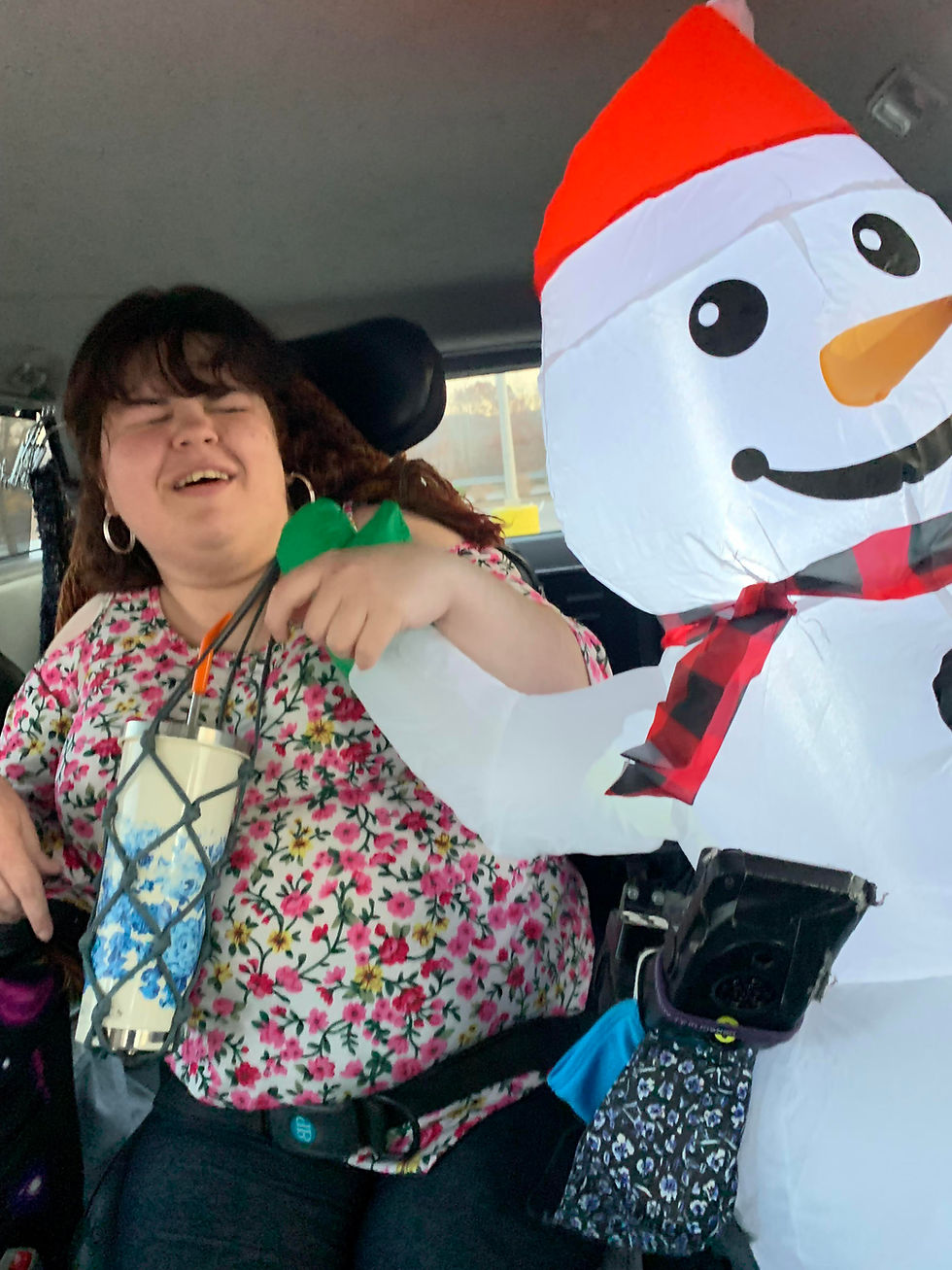
Another challenge is that adults are always around me. I need help with everything. I never expected my friends to take care of my basic needs. I had always hoped they would see I needed help and help me. Just do it for me. I had always hoped that one day we could get in the van and go somewhere fun, but I don't think any of them ever felt comfortable or confident enough to do that alone. I don't blame them; it's a lot of responsibility, one that even some adults struggle with. But it would have been nice to go to the beach, skip class on pancake day, or just run to Walmart at midnight for no good reason.

Early on, I had a lot of adult friends because they were the only ones willing to stop, listen to what I had to say, and have an honest conversation with me. Kids were just too busy to stop for that. But they also surrounded me with what I thought was friendship. Adults took care of all my needs, and at the time, I was grateful for their company because they always understood me. They would see me as a person first and my disability second. That's how I've always wanted to be seen—focused on what I can do, not what I can't.

So I never really got the whole experience of just hanging out with my friends. I once made a mistake by sharing a secret I thought the person I told already knew. Unfortunately, they didn't, and the person who told me the secret denied it. I always wonder whether she realized how very sorry I was about that, and I didn't understand that what she told me was a secret. I had never experienced that type of confidentiality, and I ruined it. The things I thought I knew about relationships, I didn't know. Friendships are tricky.

It wasn't until college that I met someone and learned what a real friend is. A friend is someone you can share your darkest secrets with, as well as your dreams, hopes, and fears. Someone who doesn't judge or make assumptions about you. When they ask how you're doing or what you're up to, they genuinely want to know and take the time to listen, chat, or send a text—even a silly video or picture that made them think of you. A person you can argue with, disagree with, put your angry eyes on, and cry with. Someone who forgives you when you mess up or say something that doesn't sit right. They give you a chance to explain, and you do the same for them. This is a Trust Friend!
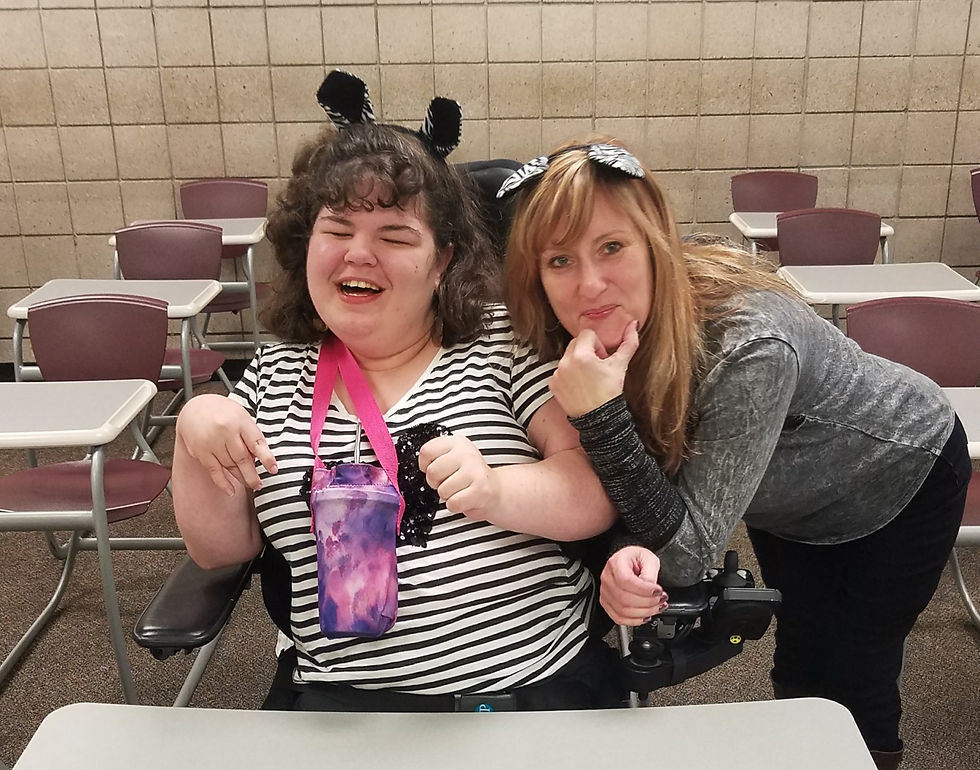
We all lead busy lives. As you know, my year was a rollercoaster. I'm thankful for those who kept checking on me and sent me simple emoji hearts to remind me I wasn't alone. I've learned that being alone is okay, but loneliness can be hard sometimes. Making friends isn't easy. Usually, our friends aren't exactly like us; we complement each other like colors. I don't have many friends who are disabled like me. I think that's because, even though we share the disability experience, we just never really clicked. I stay hopeful and try to make a difference in the world. It takes two to be a friend, for me; that's someone who sees me and encourages me to see myself. Who spends my lifetime helping me learn the social things I never learned!

My dad used to say, "Oh, you need to meet so and so, because he/she is in a wheelchair." All I could do was laugh at him. I'd ask why he thought we should meet, and he'd always say, "Because you are both in a wheelchair." So I'd reply, "Oh, you have to meet so-and-so because you are both wearing blue." He didn't quite get what I was saying, but he stopped. I choose friends not based on whether they have a disability but on how they make me feel. Like everyone else, I meet people and click.

What really matters is that if you're someone's friend, take a moment now and then to let them know you're there. Don't become a Rust Friend. The phone works both ways. If you're struggling, tell them so they can sit with you, listen, and support you. so they can become a Trust Friend. Friends aren't just for good times. The bond grows stronger when you can talk about tough stuff and still end up laughing together. There's something special about just being there for your friends. Whether they're happy or sad, sometimes just knowing they're there is enough. Friends make me happy.

Thank you for reading until the end!
This is the view from my wheelchair, where miracles can make a difference. Always Strive for the Impossible. Come back again to see what is on my mind and hear more about my experiences and The View From My Wheelchair.


Comments